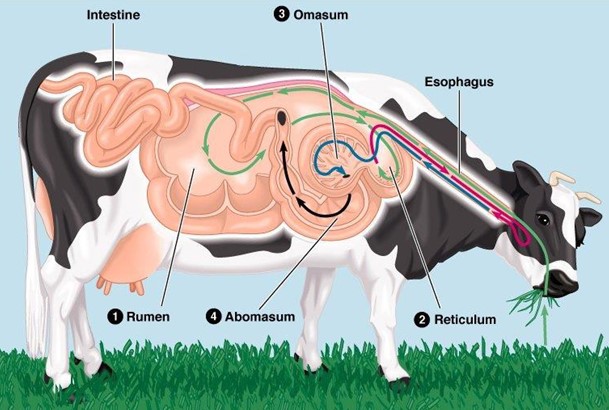
Many dairy farmers focus first on feed quantity, but one of the biggest factors behind cattle performance is how well that feed is actually digested inside the rumen. The rumen is where most of the real nutritional work begins. If rumen function is healthy and stable, cattle can extract more value from the feed they consume, maintain better body condition, and produce milk more consistently.
A well-balanced rumen supports the activity of beneficial microbes that break down fiber and convert feed into usable nutrients. This process affects not only digestion, but also appetite, feed efficiency, energy availability, and overall animal comfort. When rumen health is disturbed, the effects often show up quickly through lower feed intake, poor dung consistency, reduced milk yield, and a visible drop in cattle condition.
Good rumen health is closely connected to the quality and balance of the feeding program. The right combination of fiber, protein, energy, minerals, and supportive feed technologies helps create a stable rumen environment where cattle can perform naturally and efficiently. Sudden feed changes, inconsistent quality, poor fiber balance, or nutritional stress can all reduce rumen performance and affect long-term productivity.
In practical dairy farming, rumen health is not just a technical concept — it is one of the clearest foundations of better results. When the rumen functions properly, cattle stay healthier, digestion becomes more efficient, and milk production is supported in a more reliable and sustainable way.