Minerals may be required in small amounts compared to protein or energy, but their role in dairy cattle performance is far from small. They are involved in some of the most important functions in the body, including bone strength, immunity, digestion, reproduction, nerve function, and milk production. When mineral nutrition is properly balanced, cattle are better able to maintain health, perform consistently, and respond more efficiently to the demands of dairy production.
In many dairy farms, mineral imbalance often goes unnoticed until it begins affecting performance. Reduced milk yield, weak body condition, poor fertility, lower feed efficiency, and general lack of strength can all be linked to deficiencies or improper mineral balance. Even when feed quantity appears adequate, the absence of essential minerals can limit how effectively cattle utilize the rest of their diet.
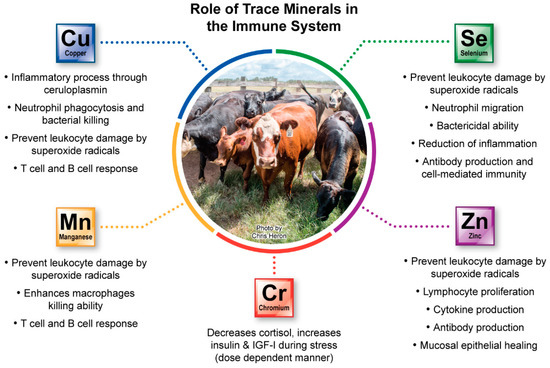
A strong mineral program supports more than just daily health. It helps cattle remain resilient during stressful periods, supports better skeletal strength, improves metabolic efficiency, and contributes to smoother production across different stages of lactation. Minerals such as calcium, phosphorus, magnesium, zinc, copper, and selenium each play specific roles, and the right balance between them is just as important as their presence.
For dairy farmers, mineral nutrition should not be treated as an optional extra. It is a core part of building healthier cattle, better milk consistency, and long-term farm productivity. When mineral needs are met correctly, cattle perform with greater stability, strength, and efficiency.