
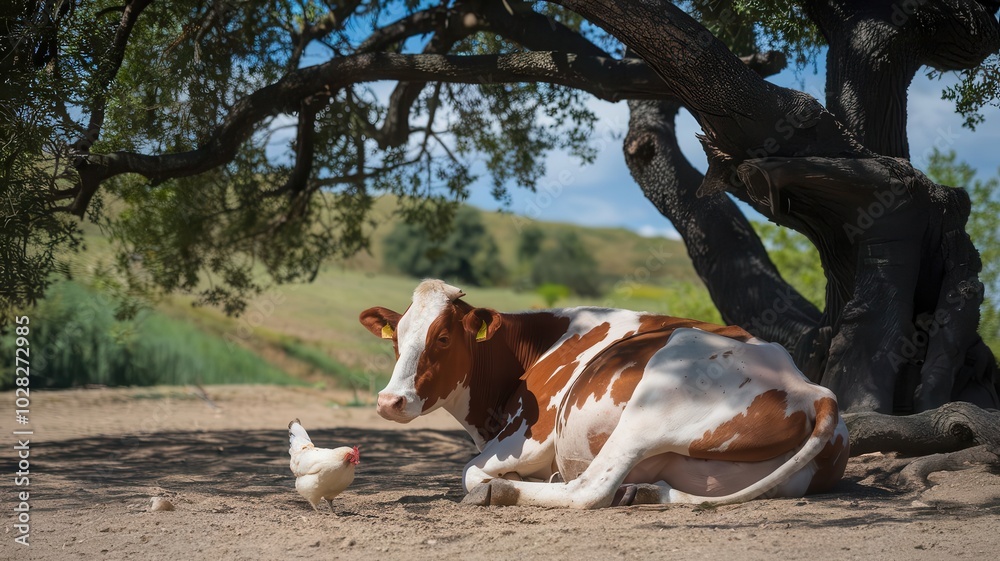
In dairy farming, comfort is often treated as a secondary factor, but in reality it has a direct effect on cattle performance. A comfortable animal eats better, rests properly, ruminates more efficiently, and handles daily stress more effectively. All of these directly influence milk production, feed utilization, and overall herd health.
When cattle are uncomfortable due to poor flooring, overcrowding, inadequate resting space, heat, noise, or constant disturbance, their natural routine is affected. They may spend less time lying down, ruminate less, eat irregularly, and experience higher stress levels. Even if the feed quality is good, performance can still suffer because the animal is not in the right condition to utilize that nutrition efficiently.
Cow comfort is closely linked to consistency in dairy results. Animals that are calm, clean, well-rested, and able to move and feed without stress usually maintain better appetite, stronger digestion, and more stable milk yield. Over time, small improvements in comfort can create a noticeable difference in both production and feed efficiency.
For dairy farmers, cow comfort should be seen as a practical part of performance management, not just animal care. When cattle are given a cleaner, calmer, and less stressful environment, they are better able to convert nutrition into healthy, consistent production.
Hi, this is a comment.
To get started with moderating, editing, and deleting comments, please visit the Comments screen in the dashboard.
Commenter avatars come from Gravatar.